


4
When people talk about workplace safety rules, they sometimes think of paperwork, inspections, or compliance checklists. But behind every regulation, training session, and piece of protective equipment is something far more important: a life that might be saved.
Across industries — construction, manufacturing, utilities, healthcare, and more — real-world cases show that safety programs don’t just prevent accidents. They actively protect workers in moments that could otherwise turn tragic.
Proof From the Numbers
According to the Occupational Safety and Health Administration, workplace fatalities in the United States have dropped dramatically since modern safety regulations began in the 1970s. Meanwhile, data from the Bureau of Labor Statistics shows long-term declines in fatal injury rates even as the workforce has grown.
These improvements didn’t happen by chance. They resulted from:
- Mandatory training standards
- Personal protective equipment requirements
- Hazard communication rules
- Lockout/tagout procedures
- Fall-protection systems
Each rule exists because a past incident revealed a preventable risk — and someone decided workers deserved better.
Real Examples Where Safety Made the Difference
1. Fall Protection Saves Construction Workers
Construction consistently ranks among the most dangerous industries. But safety harness systems have prevented thousands of fatal falls. OSHA repeatedly reports cases where workers slipped from roofs or scaffolding but survived because their harness stopped them mid-fall.
Without that equipment, those incidents would almost certainly have been fatal.
2. Confined Space Protocols Prevent Toxic Exposure
The National Institute for Occupational Safety and Health documents numerous incidents where gas monitoring and ventilation procedures detected dangerous oxygen or chemical levels before workers entered tanks, vaults, or pipelines. In several investigations, alarms sounded before entry — preventing workers from walking into lethal atmospheres.
In these cases, the hazard existed — but safety systems caught it first.
3. Emergency Training Stops Industrial Disasters
Industrial facilities that conduct emergency drills often see dramatically improved outcomes when real emergencies occur. OSHA incident reports describe fires where trained workers:
- Shut down fuel lines
- Activated suppression systems
- Evacuated coworkers
Because procedures were practiced beforehand, panic didn’t take over. Training turned potential catastrophe into controlled response.
Safety Culture Is the Real Hero

4
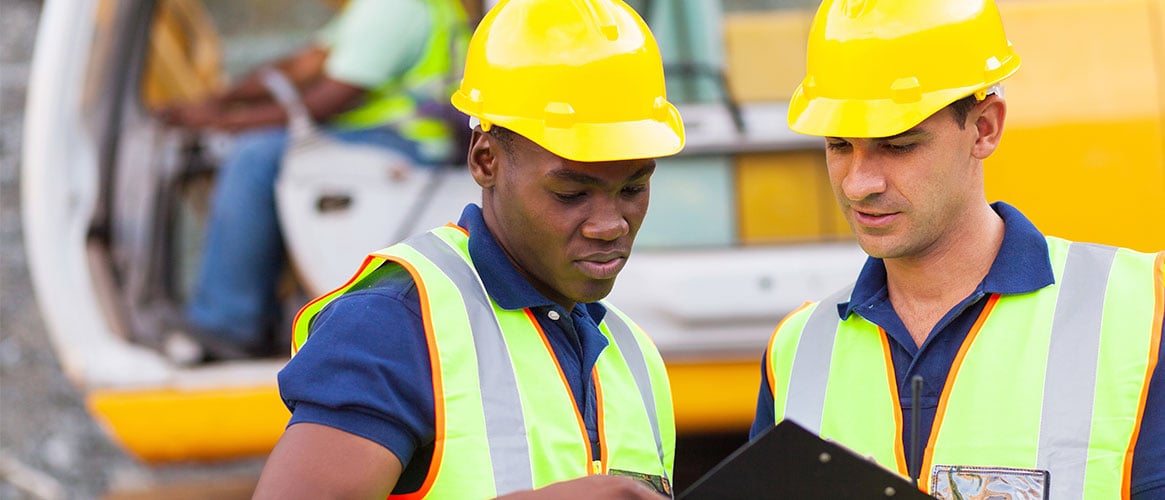
Equipment matters. Regulations matter. But what saves lives most consistently is culture — when everyone on site believes safety is part of the job, not an obstacle to it.
Strong safety cultures share common traits:
- Workers speak up about hazards
- Supervisors respond quickly
- Near-misses are reported and studied
- Training is ongoing, not occasional
Companies with these traits consistently report fewer injuries and faster emergency responses.
The Positive Truth About Workplace Safety
Safety stories rarely make headlines because the best outcomes are quiet ones:
- The fall that didn’t happen
- The exposure that never occurred
- The fire that was stopped early
- The worker who went home safely
Every time safety systems work, a disaster becomes a non-event. And that’s the goal.
Final Thought
Workplace safety isn’t about rules for the sake of rules. It’s about protecting people — fathers, mothers, friends, neighbors — whose lives matter far beyond the job site.
The greatest success story in workplace safety is simple:
Millions of workers go home safely each day because someone took precautions seriously.